
Puja Vidhis Specialist
Astro Dr. Darshan Ji
A Puja Vidhi is the traditional, systematic procedure for performing Hindu worship, designed to create a sacred space and establish a deep connection with a deity. The process begins with purification (Shuddhi), where the devotee and the worship area are cleansed to ensure a pure environment. This is followed by the Sankalpa, a crucial step where the worshipper states their name, location, and the specific intention or purpose of the puja. The core of the ritual involves invoking the divine presence into an idol, picture, or symbol (Avahana) and then making a series of reverent offerings, known as Upacharas. These offerings engage all the senses and can include water for cleansing, flowers (pushpa), incense (dhupa), a lit lamp (deepa), and sanctified food (naivedya).
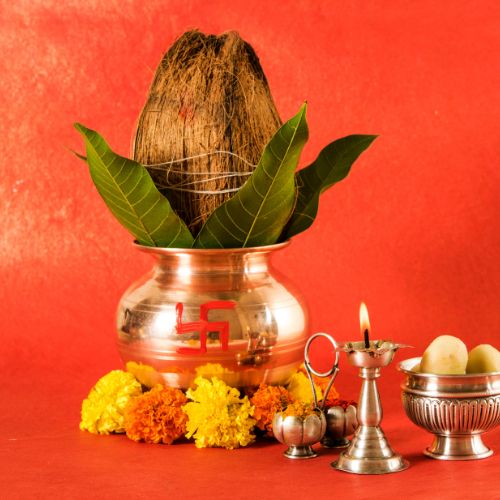
Throughout the ceremony, specific mantras are chanted to honor the deity and energize the atmosphere with spiritual vibrations. The puja usually culminates with the Aarti, a beautiful rite of waving a camphor or ghee lamp before the deity, followed by the distribution of the blessed food (Prasad) to all present, symbolizing the sharing of divine grace.
Frequently Asked Questions
The main purpose of a Puja Vidhi is to create a structured and sacred environment that helps focus the mind and heart on the divine. Each step, mantra, and offering in the Vidhi has a deep symbolic meaning, designed to purify the devotee's mind and the atmosphere. Following this time-tested procedure is not just about mechanically performing actions; it is a form of active meditation that engages all five senses, transforming a simple prayer into a holistic spiritual experience and making it easier to feel a connection with the deity.
For a basic daily puja at home, you don't need an elaborate setup. The most essential items include:
An idol (Murti) or a picture of the deity.
A lamp (Diya) with ghee or oil.
Incense sticks (Agarbatti) or Dhoop.
Fresh flowers and a small vessel of clean water.
A small, pure food offering (Naivedya), like a piece of fruit or a simple sweet.
Sandalwood paste (Chandan) and/or Kumkum for applying a sacred mark (Tilak).
In Hindu tradition, a Murti or image serves as a powerful focal point for devotion and concentration. It is not worshipped as God itself, but as a sacred vessel through which the omnipresent, formless divine can be accessed and honoured in a tangible form. The Vidhi helps the devotee to first invoke the divine presence into the Murti (Avahana), treat the deity as a revered guest with various offerings, and then feel a personal connection, making it easier to channel one's love and prayer.
Aarti is a beautiful and climactic ritual with multiple layers of meaning. The waving of the lit lamp in front of the deity symbolizes the dispelling of darkness (ignorance) by the light of knowledge and spiritual illumination. It is an act of utmost reverence and humility, where the devotee offers their own light back to the ultimate source of all light. The accompanying bells, conch sounds, and hymns create a powerful, celebratory atmosphere that saturates the space with positive vibrations, concluding the worship on a joyous and high-energy note.
No, it is not necessary for every puja. A distinction is often made between:
Nitya Puja: This is the simple, daily worship performed by individuals or families at home. A priest is not required for this, as it is a personal expression of devotion.
Naimittika Puja: These are special, occasion-based ceremonies like for a wedding, a new home (Griha Pravesh), or a specific festival. For these, a knowledgeable priest is highly recommended, as they are trained in the complex procedures, specific mantras, and rituals required to conduct the ceremony correctly according to scriptural guidelines.
Hello world!
Welcome to WordPress. This is your first post. Edit or delete it, then start writing!
Hello world!
Welcome to WordPress. This is your first post. Edit or delete it, then start writing!
Hello world!
Welcome to WordPress. This is your first post. Edit or delete it, then start writing!
Hello world!
Welcome to WordPress. This is your first post. Edit or delete it, then start writing!
Astrology Services
- Carrer Problem
- Business Problem Solution
- Lost Love Spells
- Hypnotism Specialist
- Family Problems
- Divorce problem solution
- Teenage Love Problems
- Court Case Problems
- Business Problem Solution
- Extramarital affairs and Relationship problems
- Vashikaran Removal Specialist
- Vashikaran guru Dr. Sharma
- Powerful Vashikaran Specialist
- Best Astrologer
- Black Magic Specialist
- Disturbed marriage life
- Relationship Problem Solution
- Visa problem solution
- SantanPrapti (Childless) Problem Solution
- Permanent Health Problems Solution
Astrologer in India
- Best Astrologer in India
- Rajasthan
- Chhattisgarh
- Gujarat
- Haryana
- Jharkhand
- Karnataka
- Madhya Pradesh
- Bihar
- Chandigarh
- Best Astrologer in Vadodara
- Pune
- Jaipur
- Famous Astrologer in Kolkata
- Hyderabad
- Chennai
- Best Astrologer in Bangalore
- Mumbai
- Best Astrologer in Ahmedabad
- Delhi
World wide astrologer
- Best Astrologer in Kuwait
- Best Astrologer in Germany
- Vashikaran Specialist in USA
- Vashikaran Specialist in Toronto Lost love spells
- Vashikaran Specialist in London UK
- Vashikaran Specialist in Dubai
- Vashikaran Specialist in Canada
- Vashikaran Specialist in Australia
- Indian Astrologers Near Me
- indian astrologer in hong kong
- Astrologer in New York
- Best Indian Astrologer in London
- Best Indian Astrologer in USA
- Best Indian Astrologer in Florida
- Black Magic Specialist in Dubai
- Best Indian Astrologer in Toronto
- Best Indian Astrologer in Texas
- Best Indian Astrologer in Sydney
- Best Indian Astrologer in Singapore
- Best Indian Astrologer in Melbourne
- Best Indian Astrologer in Japan
- Best Indian Astrologer in Florida
- Best Indian Astrologer in Edmonton
- Best Indian Astrologer in Dubai
- Best Indian Astrologer in Dubai